
Raw Essentials: A Practical Guide for New Zealanders Starting a Raw Food Lifestyle
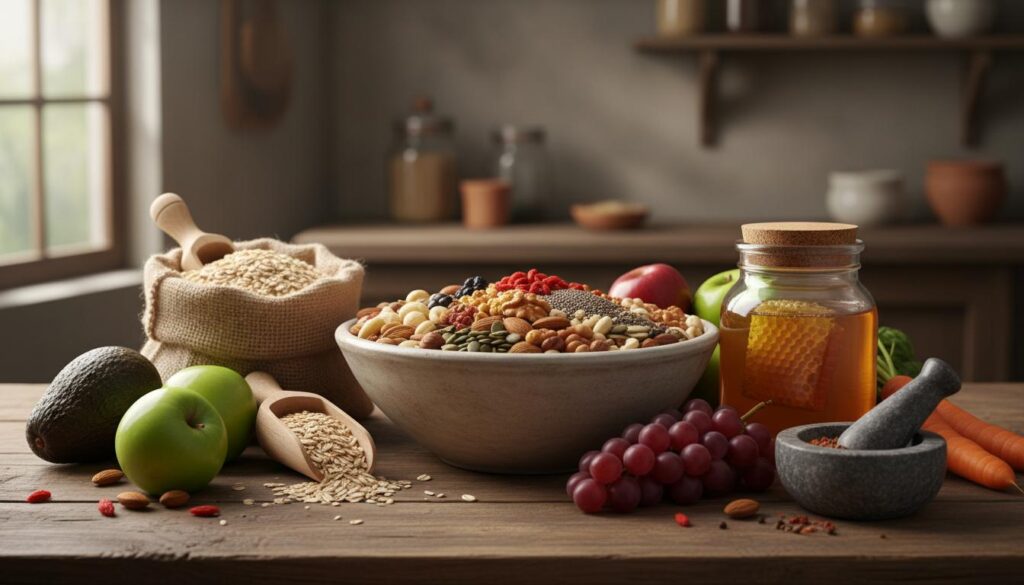
Thinking about eating cleaner, fresher, and more plant-focused? This guide to raw essentials lays out exactly what you need to start and sustain a healthy raw-food approach in New Zealand. Read on for clear definitions, practical steps, product types, pros and cons, buying tips, and quick answers to common questions.
What is raw essentials?
“Raw essentials” means the basic foods, tools and know-how needed for a raw-food lifestyle. It covers the staples you’ll keep in the pantry, the simple equipment for preparing meals, and the techniques—soaking, sprouting, blending, fermenting—that make raw food varied and safe.
For many people in New Zealand, raw essentials include local fruit and veg, nuts and seeds, cold-pressed oils, raw condiments, and a few handy devices such as a high-speed blender and a dehydrator. The idea is to use whole, unheated ingredients that retain natural enzymes and fresh flavour.
How it works
At its core, the raw approach avoids cooking foods above roughly 40–48°C (104–118°F). That keeps most enzymes intact and preserves heat-sensitive nutrients. Practical methods you’ll use often include:
- Soaking: Rehydrates nuts, seeds and grains to soften them for blending or raw baking.
- Sprouting: Germinates seeds and legumes to improve digestibility and nutrient availability.
- Blending: Turns whole ingredients into smoothies, sauces and raw soups.
- Dehydrating: Removes moisture at low temperatures to make crackers, raw breads and chips.
- Fermenting: Produces tangy, probiotic-rich foods like sauerkraut or kefir-like ferments made from coconut water.
Safety matters. Some foods, especially certain legumes and grains, contain natural compounds that require proper soaking, rinsing or fermenting to reduce bitterness and anti-nutrients.
Types / examples
Raw essentials break into a few easy-to-shop categories. Below are the most useful types with examples and common uses.
Fruit and vegetables
- Local seasonal fruit: apples, kiwifruit, berries, feijoa.
- Leafy greens: spinach, kale, lettuce, watercress.
- Cruciferous veg: broccoli, cabbage (great for raw slaws and fermenting).
- Root veg: carrots, beetroot (grated, juiced, or thinly sliced).
Nuts and seeds
- Almonds, walnuts, cashews — base for creams, cheeses and raw desserts.
- Chia, flax, hemp — for puddings, egg substitutes and omega fats.
- Pepitas, sunflower seeds — make spreads, toppings and crackers.
Sprouts, grains and legumes
- Sprouted mung beans, lentils and buckwheat — easier to digest and high in enzymes.
- Raw oats (soaked) and sprouted quinoa — for breakfast bowls and muesli.
Raw-friendly fats and sweeteners
- Cold-pressed olive oil, coconut oil, raw nut oils.
- Raw honey, maple syrup and date paste for natural sweetness.
Specialty items
- Raw cacao, maca, spirulina: potent ingredients for small doses.
- Fermented vegetables, raw probiotic mixes and live-culture products.
| Staple | How to use | Storage | Nutrition highlight | Typical cost |
|---|---|---|---|---|
| Cashews | Soak then blend into creams and cheeses | Cool, dry pantry; refrigerate after opening | Good source of healthy fats and magnesium | Moderate |
| Chia seeds | Make puddings, thicken smoothies | Pantry, airtight | High in omega-3 and fibre | Low–moderate |
| Local greens | Salads, raw soups, juices | Fridge; use quickly | Vitamins A, C and K | Low (seasonal) |
Pros and cons
Choosing a raw-food approach brings clear benefits and some trade-offs. Here are the main points to consider.
Pros
- More fresh produce and fewer processed foods.
- Higher intake of heat-sensitive vitamins and phytonutrients.
- Easy expansion into fermented and probiotic-rich foods.
- Fun experimentation with textures and flavours—raw baking, smoothies, and sprouted salads.
Cons
- Can be time-consuming: soaking, sprouting, dehydrating take planning.
- Some nutrients (like B12 and certain proteins) may be harder to obtain without careful planning.
- Cost of nuts, seeds and specialty items can add up.
- Not all raw preparations are automatically safe—improperly handled sprouts and soaked beans can pose risks.
How to use or choose raw essentials
Deciding what to buy and how to prepare it becomes simple with a step-by-step plan. Below is a practical path for New Zealanders starting today.
- Assess your goals. Decide if you want full-time raw, mostly raw, or simply to add more raw meals.
- Stock the basics. Start with fresh local fruit and veg, one or two nuts (cashews, almonds), chia and flax, and a bottle of good olive oil.
- Buy a quality blender. A high-speed blender turns soaked nuts and seeds into smooth creams.
- Learn soaking and sprouting. Soak nuts for 6–12 hours; sprout seeds for 1–4 days depending on type.
- Experiment with recipes. Begin with simple salads, smoothies and a raw cracker or two.
- Introduce fermentation slowly. Sauerkraut and fermented salsa are low-risk starters with big flavour rewards.
- Plan for nutrients. Include leafy greens, sea vegetables or a B12 supplement if you avoid animal products entirely.
Additional tips when choosing raw essentials in New Zealand:
- Buy seasonal and local where possible—produce tastes better and costs less in season.
- Visit farmers’ markets for unusual raw items like feijoa, kumara greens or microgreens.
- Choose organic for high-residue produce if it fits your budget, especially for items you’ll eat raw.
- Buy raw nuts and seeds in bulk to save money and reduce packaging.
FAQ
Is a raw diet suitable for New Zealand climates?
Yes. New Zealand grows a wide range of fresh produce year-round. In cooler months, focus on root vegetables, cabbages and stored fruit while keeping sprouts and preserved ferments for variety and warmth.
Do I need expensive equipment to get started?
No. Start with a decent blender, a few jars for soaking and sprouting, and a sharp knife. A dehydrator is useful but optional—an oven on its lowest setting may work, though it risks higher temperatures.
Is it safe to sprout at home?
Yes, if you follow simple hygiene. Rinse seeds thoroughly, change water twice daily, and use clean jars. Consume sprouts within a few days and refrigerate if you won’t eat them right away.
Can I get enough protein from raw essentials?
Yes—combine nuts, seeds, sprouted legumes and leafy greens across the day. Hemp, chia and spirulina are protein-rich additions. If you’re very active or pregnant, consult a health professional for tailored advice.
Where can I buy raw essentials in New Zealand?
Look at supermarkets for basics, health food stores for specialty items, and farmers’ markets for fresh, seasonal produce. Many New Zealand online stores also offer bulk nuts, seeds and raw powders with nationwide delivery.
How can I avoid nutrient gaps?
Plan varied meals and consider fortified foods or supplements for vitamin B12, vitamin D (winter), and iodine if you don’t consume sea vegetables or seafood. Periodic blood tests will help spot any shortfalls.
Final thoughts
“Raw essentials” is less a strict rulebook and more a toolkit. With a few pantry staples, simple equipment, and basic techniques, you can build fresh, nutrient-dense meals that suit New Zealand tastes and seasons. Start small, lean into local produce, and treat the process as delicious experimentation.
Ready to try one small change? Pick three raw essentials—one leafy green, one nut or seed, and one fermented food—and make them part of your mealtimes this week.