
Denmark: A Practical, Inspiring Guide for New Zealanders
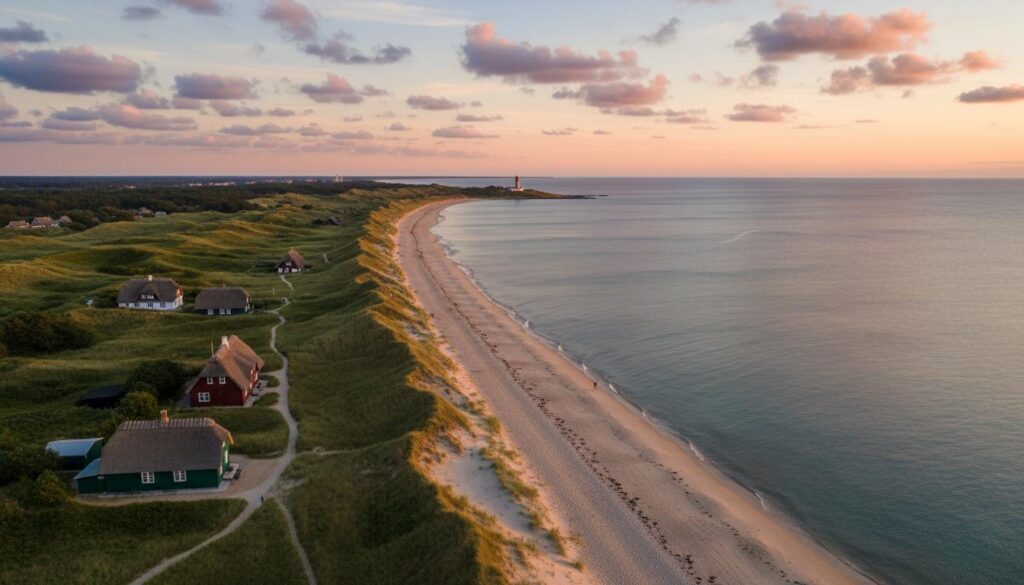
Denmark sits far from New Zealand on the map, yet it feels oddly familiar: friendly people, a love of the outdoors, clean design, and a calm confidence in doing things well. Whether you’re planning a holiday, weighing up study or work options, or eyeing trade opportunities, this guide explains what Denmark is, how it works, where to go, and how to make smart choices from a Kiwi perspective.
What is
Denmark is a Nordic country in Northern Europe, made up of the Jutland Peninsula and hundreds of islands, with Copenhagen as its capital. It’s a constitutional monarchy with a modern parliamentary democracy, high English proficiency, and a reputation for social trust and innovative design. The country is part of the European Union and the Schengen Area, but it keeps its own currency: the Danish krone (DKK).
- Location: Northern Europe, linked to Germany by land and to Sweden by the Øresund Bridge
- Population: About 5.9 million
- Language: Danish (English widely spoken)
- Currency: Danish krone (DKK)
- Time zone: CET/CEST (UTC+1 in winter, UTC+2 in summer)
- Government: Constitutional monarchy, multi‑party parliament (Folketinget)
- EU/Schengen: EU member, Schengen Area participant
Denmark vs New Zealand at a glance
| Factor | Denmark | New Zealand |
|---|---|---|
| Area | ~43,000 km² | ~268,000 km² |
| Population | ~5.9 million | ~5.3 million |
| Capital | Copenhagen | Wellington |
| Currency | Danish krone (DKK) | New Zealand dollar (NZD) |
| Driving | Right-hand side | Left-hand side |
| Power plugs | Type K, 230V/50Hz | Type I, 230V/50Hz |
| Main seasons | Summer Jun–Aug, Winter Dec–Feb | Summer Dec–Feb, Winter Jun–Aug |
| Schengen | Yes | No |
| Typical flight time | From NZ: ~24–30 hours with connections | — |
How it works
Denmark runs on a high-trust social model. Taxes are relatively high, and in return residents get extensive public services: healthcare largely funded by taxation, subsidised childcare, and education with low or no tuition for EU/EEA citizens. For long-term stays, you’ll hear about the CPR number (personal ID), MitID (digital identity), and NemKonto (your designated bank account for government payments). Day-to-day life is digital-first and remarkably efficient.
The political system blends a ceremonial monarchy with a very active, coalition-driven parliament. Compromise is not a dirty word here; it’s the operating system. In the labour market, “flexicurity” combines flexible hiring with strong worker protections and retraining support, helping the economy adapt while keeping social cohesion.
Energy is a flagship story. Denmark generates over half of its electricity from wind in recent years and pushes hard on district heating and green tech. Cities are built for people first: cycling lanes, reliable trains, and compact neighbourhoods. For visitors, that translates to short travel times and easy access to culture, food, and coastlines.
Entry for New Zealand passport holders is straightforward for tourism. You can visit Denmark visa-free for up to 90 days within any 180-day period across the Schengen Area. If you plan to work or study, you’ll need the right permit before arrival. The EU’s ETIAS pre-travel system is expected to begin soon; check official sources before you book.
Types / examples
Cities and regions
- Copenhagen: Design showcases, Michelin-starred dining, canals, and the famous cycling culture.
- Aarhus: Denmark’s second city; strong arts scene, cutting-edge architecture, and a major university.
- Odense: Birthplace of Hans Christian Andersen; slower pace with creative pockets.
- North Jutland and Skagen: Windswept beaches and big skies where two seas meet.
- Funen and South Funen Archipelago: Manor houses, island hopping, and rural charm.
Experiences
- Food: From smørrebrød (open-faced sandwiches) to New Nordic tasting menus and great coffee.
- Design and architecture: Danish Modern, waterfront urbanism, and world-class museums.
- Cycling: Safe lanes and rental bikes make city exploring easy.
- Festivals: Summer music festivals and Christmas markets that light up the dark months.
Study and work examples
- Universities: University of Copenhagen, Aarhus University, Technical University of Denmark (DTU), Copenhagen Business School (CBS) — popular for English-taught programmes.
- Sectors hiring internationals: Green energy, life sciences, IT, design, shipping, and logistics.
- Work culture: Flat hierarchies, punctuality, and strong work-life balance.
Trade and business
- What Denmark buys from NZ: Dairy, meat, wine, and tech services.
- What NZ buys from Denmark: Machinery, pharmaceuticals, medical tech, design goods.
- Gateway value: Denmark is a stable base for reaching the wider EU and Nordic markets.
Pros and cons
Advantages for New Zealanders
- High English proficiency, especially in cities and universities.
- Safe, orderly, and easy to navigate, even on a first visit.
- Outstanding public transport and cycling infrastructure.
- Green leadership: wind energy, clean tech, and sustainable urban planning.
- Quality of life: short commutes, strong social services, and vibrant culture.
Potential downsides
- Cost of living is high, particularly in Copenhagen.
- Long, dark winters with limited daylight; weather can be windy and wet.
- Housing can be tight in major cities; early planning is essential for students and workers.
- For long-term stays, basic Danish helps with integration and job options.
- VAT of 25% on most goods and services.
How to use or choose
Planning a first trip from New Zealand to Denmark
- Pick your season: May–September offers mild weather and long days; December is cosy with Christmas markets.
- Book flights early: No direct routes; typical connections via Singapore, Bangkok, Dubai, or Doha.
- Map your base: Copenhagen for a first visit; add Aarhus or Odense for variety.
- Sort documents: NZ passport valid for at least three months beyond your Schengen departure; travel insurance recommended.
- Plan transport: In cities, go by metro, S‑trains, and bikes; for intercity, book DSB trains in advance for savings.
- Budget smart: Expect higher prices; choose apartments or mid-range hotels and explore bakeries and food halls for value.
- Payments: Cards and contactless are standard; cash is rarely needed.
- Connectivity: Buy an eSIM or local SIM on arrival for cheap data.
- Packing: Layers, a rain jacket, and comfortable walking shoes. Bring a Type K adaptor.
- Day trips: Consider Helsingør (Kronborg Castle), Roskilde (cathedral and Viking ships), or the Øresund hop to Malmö, Sweden.
Choosing where to focus
- Design and food lovers: Stay central in Copenhagen; book restaurants early.
- Families: Base in Frederiksberg or Østerbro (Copenhagen) with parks and playgrounds.
- Students: Compare programmes at University of Copenhagen, Aarhus, DTU, and CBS; check language of instruction and internship links.
- Entrepreneurs: Look at Copenhagen and Aarhus tech scenes, green energy clusters, and logistics near major ports.
Studying or working: practical pointers
- Visas and permits: Apply before travel for study or work. Processing times vary; plan months ahead.
- Housing: Start early; consider student dorms, co-living, or short-term rentals while you search.
- Language: Many jobs are English-friendly, but Danish opens more doors and helps socially.
- Taxes and admin: Register for a CPR number if you become a resident; you’ll use MitID for most services.
FAQ
Do New Zealanders need a visa to visit Denmark?
No for short stays. NZ passport holders can enter Denmark and the wider Schengen Area visa-free for up to 90 days in any 180-day period. For work or study, you must secure the correct permit before you go.
When is the best time to visit?
Late spring to early autumn (May–September) offers mild weather, outdoor dining, and long daylight hours. Winter brings Christmas markets and hygge vibes but short days and chilly weather.
How expensive is Denmark compared with New Zealand?
Generally higher. Accommodation, dining out, and transport in Copenhagen cost more than in most NZ cities. Save by using public transport, renting bikes, and picking casual eateries and food halls.
Is English widely spoken?
Yes. Most Danes speak excellent English, particularly in cities, hospitality, and universities.
What’s the currency and how should I pay?
The currency is the Danish krone (DKK). Cards and contactless payments are accepted almost everywhere, including small shops and bakeries.
What plugs and voltage are used?
Type K plugs, 230V/50Hz. Bring a suitable adaptor from New Zealand’s Type I plugs.
Can I drive in Denmark with a New Zealand licence?
For short visits, you can generally drive with your NZ licence; an International Driving Permit is recommended. If you become a resident, check the rules on exchanging your licence.
How safe is Denmark?
Very safe. Petty theft can occur in crowded areas, so use common sense, but violent crime rates are low.
What about food for special diets?
Vegetarian, vegan, and gluten-free options are easy to find in cities. Supermarkets are well stocked and allergens are clearly labelled.
Is the tap water safe?
Yes. Tap water is safe, clean, and tastes good across Denmark.
How does public transport work?
Copenhagen has a fast, frequent metro, S‑trains, and buses. Across the country, DSB operates intercity and regional trains. You can tap in with a travel card or buy mobile tickets.
What’s unique about Danish culture?
Design minimalism, community-mindedness, and a quiet pride in doing everyday things well. You’ll notice bikes everywhere, punctuality, and an understated warmth in social settings.
Any quick etiquette tips?
- Be on time; Danes value punctuality.
- Queue politely and keep personal space.
- Tipping isn’t expected; service is included, though rounding up small amounts is fine.
Final thoughts
Denmark rewards curiosity. It’s compact, efficient, and welcoming, with deep strengths in green energy, design, and education. For New Zealanders, the distance melts away once you arrive: good coffee, open smiles, and cities built for people. Plan well, keep your itinerary light, and let the bikes and bakeries do the rest.