
Takapuna surf club: a local’s guide to lifesaving, surf sport, and beach life on Auckland’s North Shore
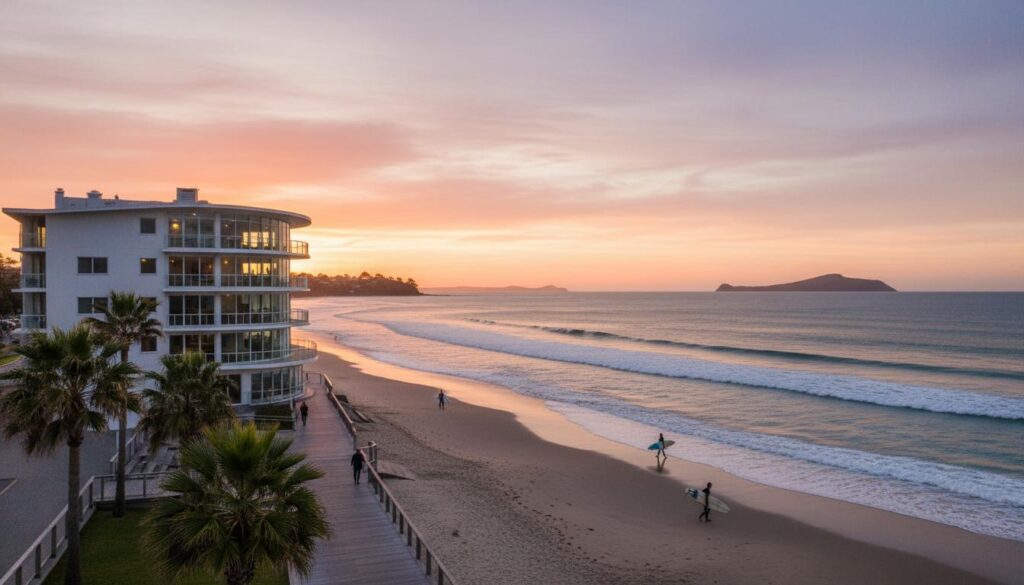
Looking for “takapuna surf club” and wondering where to start? Here’s the straight answer: Takapuna Beach itself doesn’t host a traditional Surf Life Saving club, because the beach is sheltered and rarely has true surf. But if you live in Takapuna or spend weekends there, you’re perfectly placed to join nearby surf lifesaving clubs, learn beach safety, and get into surf sport. This guide explains how surf lifesaving works in New Zealand, which clubs make sense for Takapuna locals, how to choose the right one, and how to enjoy Takapuna Beach safely.
What is
In practice, “takapuna surf club” refers to the surf lifesaving opportunities and clubs accessible to people based in Takapuna, Auckland. While there isn’t a resident clubhouse on Takapuna Beach, you can join and train with Surf Life Saving New Zealand (SLSNZ) clubs nearby, take part in patrols, and compete in surf sports.
Local context
Takapuna Beach sits on Auckland’s North Shore, facing the Hauraki Gulf with Rangitoto Island on the horizon. Conditions are typically calm, suiting swimming, paddleboarding, and sailing more than wave-based surfing. For volunteer surf lifesaving, the closest options are along the east coast (for example, Mairangi Bay, Red Beach, Orewa) and on the west coast (Piha, Muriwai) if you’re chasing bigger surf and more exposed conditions.
How it works
Surf Life Saving in New Zealand is a volunteer-led movement focused on preventing drowning and keeping beaches safe. Clubs run patrols during the warmer months, deliver training and qualifications, and host surf sport competitions. Members range from kids in Nippers to seasoned IRB crews and elite athletes.
Patrols and training
- Patrol season: Generally spring to autumn, with peak coverage in summer. Exact dates vary by beach and club.
- Qualifications: The Surf Lifeguard Award (SLA) is the baseline. Many members add First Aid, IRB Crew/Driver, Inflatable Rescue Boat maintenance, and rock or search-and-rescue modules.
- Surf sports: Events cover swim, board, ski, beach sprints/flags, IRB racing, and ocean events. Training builds surf skills that help on patrol.
Patrols at Takapuna Beach
Because Takapuna is usually low-surf, it doesn’t have a permanent surf lifesaving clubhouse. To see if lifeguards are scheduled or to check water quality, use safeswim.org.nz before you go. If no patrol is operating, treat the area like an unpatrolled beach: swim with a buddy, stay within your depth, and keep an eye on wind, tide, and boat traffic near the ramp.
Types / examples
Ways to get involved when you’re based in Takapuna
- Family pathway: Enrol kids in Nippers (junior surf) at a nearby club. Parents often help on the beach or train as lifeguards themselves.
- Adult entry: Join as a new member, complete your SLA, and patrol on weekends over summer.
- Surf sport focus: Train for board, surf ski, swim, IRB racing, or beach events. East and west coast clubs both field strong teams.
- Community education: Support beach safety sessions at schools and public events across Tāmaki Makaurau.
Nearby clubs Takapuna locals commonly consider
- Mairangi Bay Surf Life Saving Club: Closest east-coast option with family programmes and competitive squads.
- Red Beach Surf Life Saving Club: Strong junior and senior programmes on the Hibiscus Coast.
- Orewa Surf Life Saving Club: Long sandy beach, good for developing surf skills.
- Piha Surf Life Saving Club: West coast, heavier surf, iconic black-sand setting.
- Muriwai Volunteer Lifeguard Service: West coast, open ocean conditions and robust patrol experience.
| Club (from Takapuna) | Beach type | Typical conditions | Best for | Approx. off-peak drive time | Notes |
|---|---|---|---|---|---|
| Mairangi Bay SLSC | East coast, sandy bay | Small-to-moderate surf, wind chop | Families, Nippers, surf-skill building | 10–20 min | Closest and convenient from central North Shore |
| Red Beach SLSC | East coast, open sandy beach | Moderate surf, more exposure | Progression from sheltered beaches | 25–40 min | Active junior and senior programmes |
| Orewa SLSC | East coast, long sandy stretch | Variable surf, good training variety | Endurance sessions, family clubs days | 30–45 min | Plenty of space for training and events |
| Piha SLSC | West coast, black sand | Powerful surf, rips common | Advanced surf skills, rescue realism | 45–70 min | Iconic venue; conditions can be challenging |
| Muriwai VLS | West coast, expansive black-sand beach | Strong surf, shifting banks | Experienced patrol teams, IRB work | 45–75 min | Great for high-energy patrol experience |
Pros and cons
Joining a surf lifesaving club when you live in Takapuna
- Pros:
- Structured pathway from beginner to qualified lifeguard.
- Fitness, ocean skills, and teamwork in a supportive community.
- Family-friendly programmes (Nippers, Rookie lifeguards).
- Transferable skills: first aid, leadership, decision-making.
- Cons:
- Travel time to patrol beaches outside Takapuna.
- Weekend commitments over summer can be significant.
- Equipment costs for surf sports (board, ski) if you go competitive.
How to use or choose
How to choose a club that fits
- Location and travel: A closer club makes regular training easier.
- Beach exposure: East coast is gentler; west coast builds heavy-surf confidence.
- Family fit: Look for strong Nippers and Rookie programmes if enrolling children.
- Coaching and sport focus: If you want to race, ask about coaching depth and squads.
- Culture and timetable: Visit training nights, meet the team, and see if the vibe suits you.
- Facilities and access: Consider storage, showers, and parking around the clubhouse.
- Patrol expectations: Clarify minimum patrol hours and qualification timelines.
Step-by-step: join a nearby surf lifesaving club from Takapuna
- Decide your pathway: family Nippers, adult lifeguard, or sport-focused.
- Shortlist two clubs based on travel and beach type (e.g., Mairangi Bay and Red Beach).
- Attend a club night or open day to meet coaches and lifeguards.
- Complete membership forms and any required swim competency checks.
- Start your Surf Lifeguard Award training and first aid modules.
- Join a patrol team; shadow experienced guards during your first shifts.
- Set goals for the season (patrol hours, events) and check in with your patrol captain.
If you simply want to enjoy Takapuna Beach safely
- Check safeswim.org.nz for water quality, alerts, and any scheduled patrols.
- Pick calm days for family swims; wind against tide can create short, choppy waves.
- Stay clear of the boat ramp and keep an eye out for craft traffic.
- At high tide, be mindful of rocky sections near the ends of the beach.
- Use sun protection and hydrate—shade can be limited on hot days.
Safety quick wins
- Swim with a buddy and stay within your depth if unpatrolled.
- Supervise children closely—calm water can still hide hazards.
- In an emergency, call 111 and ask for Police; they coordinate water rescues with Surf Life Saving.
FAQ
Is there an official takapuna surf club on Takapuna Beach?
No. Takapuna Beach doesn’t have a resident Surf Life Saving clubhouse. Most locals join nearby clubs such as Mairangi Bay, Red Beach, or Orewa on the east coast, or head to Piha or Muriwai on the west coast.
Can my kids do Nippers if we live in Takapuna?
Yes. Choose a nearby club with a strong junior programme—Mairangi Bay is close for many North Shore families. Check age groups, session times, and gear requirements on the club’s official channels.
When are beaches patrolled?
Patrols typically run spring to autumn, with peak coverage in summer weekends and public holidays. For live information and water quality, use safeswim.org.nz.
Do I need to be an elite swimmer to become a lifeguard?
No, but you must meet the Surf Lifeguard Award standard, which includes a timed pool swim and demonstrated surf skills. Consistent training will get you there.
What gear do beginners need?
For patrol training: swimwear, goggles, towel, warm layers, and sunscreen. Clubs often provide rescue tubes and boards for training; competitive athletes may invest in their own race gear later.
Can you actually surf at Takapuna?
True surfable waves are rare at Takapuna due to shelter from the Hauraki Gulf. It’s better for swimming, stand-up paddleboarding, and sailing. For surfing, head to the west coast or east-coast breaks further north when conditions align.
How do I get real-time conditions for Takapuna Beach?
Check safeswim.org.nz for water quality and alerts. Local wind and tide apps, plus the MetService marine forecast for the Hauraki Gulf, help you plan safe sessions.
What’s the best “takapuna surf club” option if I want minimum travel?
For most people, Mairangi Bay SLSC is the shortest drive and a strong all-round choice. Still, visit more than one club to see where the coaching, community, and schedule suit you best.
Final thoughts
If “takapuna surf club” led you here, consider it your starting block: Takapuna offers easy, family-friendly beach time, while neighbouring surf lifesaving clubs deliver the training, patrol experience, and sport that make New Zealand’s beach culture tick. Pick a club that fits your life, learn the craft, and you’ll gain skills that matter on any shoreline.