
Harry and Meghan: A clear, balanced guide for New Zealand readers
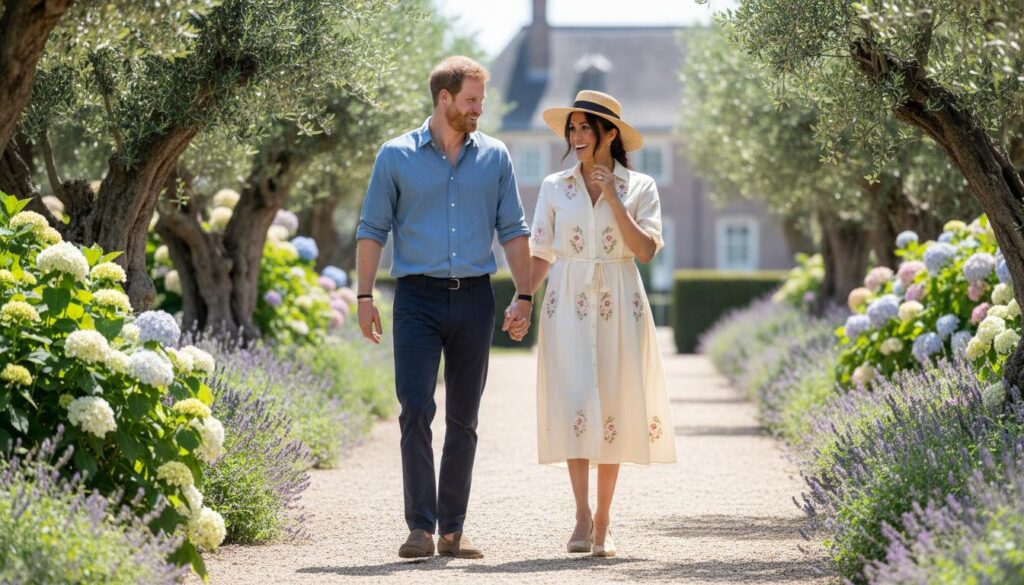
Few public figures spark as much interest as Prince Harry and Meghan, the Duke and Duchess of Sussex. In Aotearoa New Zealand, their 2018 visit drew big crowds, warm pōwhiri, and a stack of headlines. This guide cuts through the noise. You’ll learn who Harry and Meghan are, how their roles changed after stepping back from royal duties, what projects they run now, why the media coverage looks the way it does, and how Kiwis can follow the story without the drama.
What is
Harry and Meghan are members of the British royal family who now live and work largely as independent public figures in the United States. Key points:
- Prince Harry is the younger son of King Charles III and Diana, Princess of Wales. He founded the Invictus Games in 2014.
- Meghan (née Meghan Markle) is an American former actor best known for Suits. She married Harry in 2018 at Windsor Castle.
- They have two children: Archie (born 2019) and Lilibet (born 2021). Their children are in the line of succession and hold prince/princess titles under current conventions.
- In early 2020, Harry and Meghan stepped back from being “working royals.” They no longer undertake official duties on behalf of the Crown and are financially independent.
- They run the Archewell Foundation (philanthropy) and Archewell Productions (media). They have created TV, podcasts, and campaigns focused on mental health, veterans, gender equity, and online safety.
- They visited New Zealand in October 2018, meeting community groups in Wellington, Auckland, Rotorua, and Abel Tasman National Park, and taking part in Māori cultural welcomes.
How it works
The difference between “working royal” and independent public figure
Working royals represent the monarch at official events and are supported by the Sovereign Grant (public funding tied to the Crown Estate). Harry and Meghan chose a different path: no public funding, no official duties, and income from private work.
Titles, protocols, and money
- Titles: They remain the Duke and Duchess of Sussex. They don’t use the HRH style in a working capacity.
- Funding: They do not receive money from the Sovereign Grant. Their income comes from media production, speaking, and business deals.
- Security: Security arrangements vary by country and circumstance. In the UK, publicly funded security is generally for working royals and specific threats, not guaranteed for private visits.
Media ecosystem
Coverage of harry and meghan sits at the intersection of royal reporting, celebrity news, and politics. UK tabloids drive daily headlines; US media tends to frame them as entertainment and culture figures. Quality outlets and court documents are better sources for verified facts, especially on legal matters.
Philanthropy and content
- Archewell Foundation funds and partners with groups on mental health, responsible technology, gender equity, and community relief.
- Archewell Productions has released Netflix projects including the 2022 docuseries “Harry & Meghan” and “Heart of Invictus” (2023).
- Meghan hosted the podcast “Archetypes” (2022). A Spotify partnership ended in 2023. In 2024, Netflix announced new shows from Archewell, including a polo series and a lifestyle-focused series.
- Harry continues to champion the Invictus Games, an international adaptive sports event for wounded, injured, and sick service personnel and veterans. The next Games are scheduled for Vancouver and Whistler in 2025.
Types / examples
Public work and projects
- Advocacy and campaigns: mental health, online safety for young people, accessible sport for veterans, women’s empowerment.
- Charitable grants: support for community organisations via Archewell Foundation.
- Media productions: documentaries, series, and specials developed with streaming platforms.
- Public speaking: conferences and summits on leadership, technology, and social impact.
- Business ventures: brand partnerships and, for Meghan, lifestyle projects such as American Riviera Orchard announced in 2024.
New Zealand connections
- 2018 tour highlights included visits to Wellington, Abel Tasman National Park, Auckland, and Rotorua.
- They engaged with youth, mental health, and conservation groups, and took part in traditional welcomes. Meghan wore a korowai gifted by Te Arawa in Rotorua.
- Focus areas—veterans, mental health, conservation—mirror priorities for many Kiwis and local charities.
Working royal vs independent model: a quick comparison
| Aspect | Working Royal | Harry and Meghan (Independent) | What it means for NZ audiences |
|---|---|---|---|
| Role | Official duties on behalf of the Crown | Private initiatives and public advocacy | More appearances in media projects than state visits |
| Funding | Sovereign Grant and private income | No public funding; private income | Projects rely on commercial deals and foundations |
| Media access | Royal rota system, formal press calls | Direct releases, streaming platforms, social media | Updates come via documentaries, official sites, reputable news |
| Security | Typically state-supported for duties | Case-by-case, privately arranged in many contexts | Less predictable presence when travelling |
| Tours | State or official Commonwealth visits | Private travel and event appearances | Fewer formal NZ tours; more cause-based events possible |
Pros and cons
Benefits of the Sussex model
- Focus on issues: Invictus Games, mental health, online safety, and gender equity get consistent attention.
- Global reach: Streaming platforms and social media make their projects accessible in NZ.
- Transparency of voice: Speaking directly allows nuance beyond tabloid headlines.
- Philanthropic flexibility: Foundations can partner quickly with like-minded groups, including in the Pacific.
Trade-offs and criticisms
- Polarising narratives: Coverage swings between praise and criticism, which can cloud facts.
- Commercial scrutiny: Deals with media platforms invite questions about privacy and profit.
- Limited official role: Without formal duties, they have less influence on constitutional matters.
- Legal and media battles: Court cases—such as Harry’s litigation over unlawful information-gathering—keep them in the headlines, sometimes overshadowing projects.
How to use or choose
How to follow Harry and Meghan news sensibly in New Zealand
- Start with reputable outlets. In NZ, begin with established newsrooms for straight reporting before reading commentary.
- Read the source material. When a story cites a court document, watch the wording or read the judgment summary where possible.
- Separate content types. Distinguish opinion columns from news, and streaming entertainment from documentary journalism.
- Check international context. UK tabloids, US entertainment sites, and NZ media frame the same event differently.
- Follow official channels. Use Archewell, Invictus Games, and verified streaming pages for project updates.
- Mind your media diet. If the topic feels overwhelming, mute keywords like “harry and meghan” for a while and come back later.
- Support aligned causes locally. If a Sussex project resonates, look for NZ charities doing similar mahi and get involved.
Choosing what to watch or read
- Documentaries: “Harry & Meghan” (2022) offers their perspective on stepping back and media pressures.
- Sport and service: “Heart of Invictus” (2023) focuses on veterans and adaptive sport, often a good entry point for viewers who prefer less royal backstory.
- Podcasts and interviews: Meghan’s “Archetypes” explores labels placed on women; major interviews can add context but often spark debate—read widely.
- Upcoming series: Netflix announced new Archewell projects in 2024, including a polo series and a lifestyle show led by Meghan.
If you want to engage beyond the headlines
- For veterans: Explore Invictus Games content and local adaptive sports programmes in NZ.
- For mental health: Look for evidence-based resources and NZ helplines; be cautious with celebrity-led advice.
- For online safety: Check NZ regulators and non-profits working on digital wellbeing for young people.
FAQ
Who are Harry and Meghan, in brief?
They are the Duke and Duchess of Sussex. They married in 2018, have two children, and since 2020 have lived as independent public figures mainly in the US. Their work spans philanthropy, media, and advocacy.
Why did they step back from royal duties?
They cited a desire for financial independence, more control over their work, and concerns about media intrusion. They no longer carry out duties on behalf of the Crown.
Do they still hold royal titles?
Yes. They remain the Duke and Duchess of Sussex. They do not use the HRH style in a working capacity.
Do they receive public money?
No. They do not receive the UK Sovereign Grant. Their income comes from private deals, production projects, and speaking engagements.
Where do they live?
They reside in the United States. They travel internationally for events and projects.
What is Archewell?
Archewell is their umbrella organisation. The Archewell Foundation supports philanthropic initiatives, while Archewell Productions develops media projects, including documentaries with Netflix.
What about the Invictus Games?
Founded by Prince Harry in 2014, the Invictus Games is an international adaptive sports event for wounded, injured, and sick service personnel and veterans. The next Games are planned for Vancouver and Whistler in 2025.
Are they still in the line of succession?
Yes. Stepping back from royal duties does not remove someone from the line of succession.
What legal cases involve Harry?
Prince Harry has pursued cases in the UK related to unlawful information-gathering by media companies. In 2023, the High Court found parts of his claim against Mirror Group Newspapers proven and awarded damages, with further developments in early 2024 on costs and settlements. Always check current reporting for updates.
Can I watch their shows in New Zealand?
Yes. Their major releases have been carried by global streaming platforms available in NZ. Search your streaming service for “Harry & Meghan” or “Heart of Invictus.”
How does this relate to New Zealand’s constitutional setup?
New Zealand is a constitutional monarchy with the King as head of state, represented by the Governor-General. Harry and Meghan do not play a formal role in NZ’s constitutional functions. Public interest here is mostly cultural, charitable, and entertainment-based.
Will they tour New Zealand again?
There is no confirmed plan. Since stepping back, formal state tours are unlikely. Future visits, if any, would likely be private or tied to specific events or causes.
Is the term “harry and meghan” useful for finding reliable info?
It’s a common search term, but try adding words like “court ruling,” “Invictus,” “Archewell,” or “New Zealand visit” to narrow results and surface reliable sources.
Final take
Harry and Meghan moved from palace schedules to purpose-driven projects, swapping court circulars for foundation grants and streaming releases. For New Zealanders, the practical takeaway is simple: enjoy the stories that matter to you—veterans’ sport, mental health advocacy, or the cultural moment—while filtering the noise. Follow official updates, lean on trusted news, and, when in doubt, read the source before the hot take.