
Visitor visa NZ: the clear, practical guide for travellers and hosts in Aotearoa
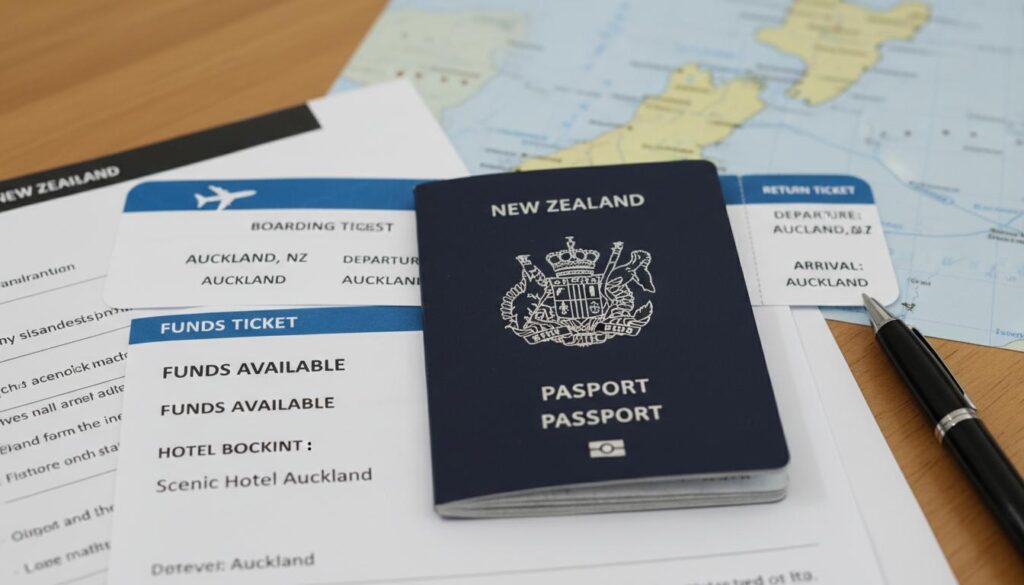
Planning a holiday, meeting the new grandchild, or flying in clients for a short stay? Getting the right paperwork sorted makes the trip to New Zealand simple. This guide explains the visitor visa NZ in plain English—what it is, who needs it, how to apply, and how to help your guests if you live here. You will also learn when an NZeTA is enough, when a full visitor visa is required, and how to avoid common pitfalls at the border.
What is
A New Zealand visitor visa lets people come to Aotearoa temporarily for tourism, to see family and friends, or for short business activities such as meetings and conferences. It does not allow paid work. Most visitors can study for a short period (typically up to 3 months) without getting a student visa.
Many passport holders do not need a visitor visa at all. If you are from a visa waiver country, you usually travel with an NZeTA instead. An NZeTA is an electronic travel authority you get before you fly or cruise, not a full visa. It is faster to get, but comes with shorter stays and tighter conditions.
Typical stay limits on a visitor visa are up to 9 months in an 18‑month period, with multiple entries allowed while your visa is valid. Exact conditions vary, so always check the visa label or eVisa grant letter.
How it works
Eligibility and basic rules
To visit New Zealand you must:
- Hold a valid passport for the duration of your stay (with spare pages for entry stamps if required).
- Show you will leave on time (onward ticket or confirmed travel plans).
- Prove you can support yourself or have a sponsor in New Zealand.
- Be in good health and of good character. Health checks or police certificates may be requested depending on your situation and length of stay.
- Agree to the conditions of your visa or NZeTA (no work, short study only, and any special notes on your approval).
Border officers can ask for evidence when you arrive, even if you already hold a visa or an NZeTA. Bring copies of bookings, bank statements, and invitation letters if relevant.
Documents you will typically need
- Passport and a recent passport-style photo.
- Proof of funds (bank statements, payslips) or a completed sponsorship form from someone in New Zealand.
- Onward or return ticket, or proof you have enough money to buy one.
- Travel plans: accommodation bookings or an invitation letter if staying with family or friends.
- For business visits: a letter from your employer and details of the meetings or event.
- Health or character documents if requested by Immigration New Zealand (INZ), such as a chest x‑ray or police certificate.
Application steps (online)
- Create or sign in to an Immigration Online account on the INZ website.
- Choose “Visitor Visa” and complete the form accurately. Declare previous visas and any convictions honestly.
- Upload documents: photo, passport bio page, funds evidence, invitations, and any required health or character files.
- Pay the application fee and, where applicable, the International Visitor Conservation and Tourism Levy (IVL).
- Provide biometrics if you are asked (fingerprints and a photo) at a Visa Application Centre.
- Wait for INZ to assess your application. Respond quickly to any requests for more information.
- Receive your decision. Most approvals are issued as an eVisa—keep a copy on your phone and print a copy for travel.
After you apply
Processing times vary by season and your personal circumstances. If you are travelling on a fixed date, apply early. Do not book non‑refundable travel until you receive your visa or, if visa‑waiver, your NZeTA.
If you are in New Zealand and want to stay longer than first planned, you can apply for a further visitor visa before your current permission expires—so long as you still meet the overall time limits and conditions.
Types / examples
“Visitor visa NZ” is a broad umbrella. Here are the common pathways and situations, with examples to make them real.
Standard Visitor Visa (tourism and family)
For most holidaymakers and people visiting whānau. Example: your parents from South Africa want to stay 8 weeks, tour the South Island, and spend time in Auckland with you. They apply online for a visitor visa with your invitation letter and sponsorship.
Business Visitor
Allows activities like meetings, negotiations, site visits, training delivered by overseas staff to a New Zealand branch, and attending conferences. Example: a software vendor sends a specialist to brief a Kiwi client for two weeks—no salary paid in New Zealand, no hands‑on work for a local employer.
NZeTA (visa waiver travellers)
If your passport is on New Zealand’s visa waiver list, you usually get an NZeTA and travel for a short stay without a full visa (most up to 3 months; UK passport holders up to 6 months). You still must meet entry requirements and pay the IVL with the NZeTA.
Cruise ship passengers
Most cruise passengers use an NZeTA for shore visits, even if they would normally need a visa when arriving by air. Check your cruise line’s guidance and INZ rules for your nationality.
Transit through Auckland
If you are only passing through the international transit area, you may need a Transit Visa or an NZeTA, depending on your passport. This is not the same as a visitor visa and does not allow you to enter New Zealand.
Group and special interest visitors
Some organised groups (schools, tours, sports teams) can apply together. Requirements are similar; the difference is in how the applications are managed and documented.
| Pathway | Who it’s for | Typical max stay per visit | Apply before travel? | Work rights | Notes |
|---|---|---|---|---|---|
| Visitor Visa | Non‑waiver passports; waiver travellers wanting a longer stay or special circumstances | Often up to 9 months in 18 months | Yes | No | May require biometrics and health checks; IVL may apply |
| NZeTA | Visa waiver passports and most cruise passengers | Usually up to 3 months (6 for UK) | Yes | No | Faster, lower cost; IVL collected with NZeTA |
| Transit Visa | Some passports transiting Auckland without entering NZ | Transit only | Yes | No | Not for entry to NZ; conditions differ from visitor visas |
Pros and cons
Pros
- Flexibility to visit family, sightsee, or handle short business without complex permits.
- Multiple entry options let you come and go while the visa is valid.
- Short study permitted, handy for language courses or professional training.
- NZeTA option for visa‑waiver travellers is quick and convenient.
Cons
- No work rights; paid employment is prohibited.
- Evidence burden: funds, onward travel, and health requirements can apply.
- Processing times vary, especially in peak seasons.
- Strict time limits—overstaying harms future applications.
How to use or choose
Choosing between a visitor visa and an NZeTA
- If you are from a visa waiver country and visiting for up to 3 months (6 months for UK), an NZeTA is usually the simplest route.
- If you are from a non‑waiver country, you need a visitor visa.
- If you want to stay longer than the waiver allows, or you have special circumstances (e.g., visiting family for an extended period), apply for a visitor visa even if you are waiver‑eligible.
Tips for New Zealanders hosting visitors
- Offer a clear invitation letter. Include your contact details, relationship, where the visitor will stay, and the visit dates.
- Consider sponsorship if your guest cannot meet funds requirements. Use INZ’s sponsorship form and provide proof you can support them.
- Remind guests to buy travel insurance. Medical care is not free for most visitors.
- Meet your guests at the airport if possible. It helps if questions arise at the border.
- Keep plans realistic. A tight multi‑city itinerary with minimal funds can raise concerns with INZ.
Stronger applications: what helps
- Consistent story: application details match bookings and employer or family letters.
- Financial clarity: bank statements in the applicant’s name, recent transactions, and, if sponsored, proof of the sponsor’s capacity.
- Genuine temporary intent: ties to home country like employment, study, family, or property.
- Clean travel history: previous compliant trips to New Zealand or other countries.
Common pitfalls to avoid
- Incomplete forms or missing documents.
- Booking flights before getting the right visa or NZeTA.
- Confusing business visitor activities with work. If you are doing productive work for a New Zealand employer, you likely need a work visa.
- Overstaying or breaching conditions—this damages future chances dramatically.
FAQ
What is the difference between a visitor visa NZ and an NZeTA?
A visitor visa is a full visa with broader stay options and is required for non‑waiver passports or longer visits. An NZeTA is a pre‑travel authority for visa‑waiver travellers and most cruise passengers, usually allowing shorter stays. Neither permits paid work.
How long can I stay on a visitor visa?
Many visitors can stay up to 9 months in an 18‑month period, subject to individual conditions set by INZ. Your approval letter will state the exact limit.
Can I extend my stay?
Possibly. You must still be within the overall time limits, meet funds and health requirements, and apply before your current visa expires. Approval is not automatic.
Can I work on a visitor visa?
No. You can attend meetings, conferences, and similar business activities, but you cannot take paid employment or perform services for a New Zealand employer.
Can I study on a visitor visa?
Short courses are typically allowed (up to 3 months). Longer study requires a student visa.
What funds do I need to show?
You must show you can support yourself for the trip—bank statements, payslips, or a formal sponsorship from someone in New Zealand. INZ may ask for more evidence depending on your case.
Do Australians need a visitor visa or NZeTA?
Australian citizens do not need a visa or an NZeTA to visit. Australian permanent residents usually need an NZeTA.
What about UK passport holders?
UK citizens travelling visa‑waiver can usually stay up to 6 months on an NZeTA. For longer visits, apply for a visitor visa.
My parents want to visit for several months. What’s best?
If they are from a visa‑waiver country and plan a short stay, an NZeTA may be enough. For longer stays or non‑waiver passports, a visitor visa is the right path. You can support their application with sponsorship and an invitation letter.
Do I need travel insurance?
It is strongly recommended. Health care in New Zealand is not free for most visitors, and insurance is often checked by group organisers and schools.
Will I need a medical or police certificate?
Only in certain situations, usually linked to how long you intend to stay and your risk profile. INZ will tell you if you need to provide them.
What is the IVL and do I need to pay it?
The International Visitor Conservation and Tourism Levy helps fund tourism and conservation. It is collected with most NZeTAs and some visas.
What happens if my visitor visa application is refused?
The decision letter explains the reasons—commonly insufficient funds evidence, doubts about returning home, or missing documents. You can reapply with stronger evidence or consider another pathway if appropriate.
Can I change from a visitor visa to a work or student visa while in NZ?
Sometimes, yes, if you meet the criteria for the new visa and apply before your current visa expires. Do not start work or long‑term study until the new visa is approved.
What should I carry when I travel?
Carry your passport, your eVisa or NZeTA approval, return ticket, accommodation details, proof of funds or sponsorship, and any invitation letters. Keep digital and printed copies.
Bottom line
Pick the simplest lawful path: NZeTA for short, visa‑waiver visits; a visitor visa for longer stays or non‑waiver passports; a transit visa if you are only passing through. Prepare clear evidence, apply early, and stick to the conditions. With that, your trip to Aotearoa—or your guests’ visit—will start smoothly.