
Otago: A New Zealander’s Guide to the South Island’s Big-Sky Region
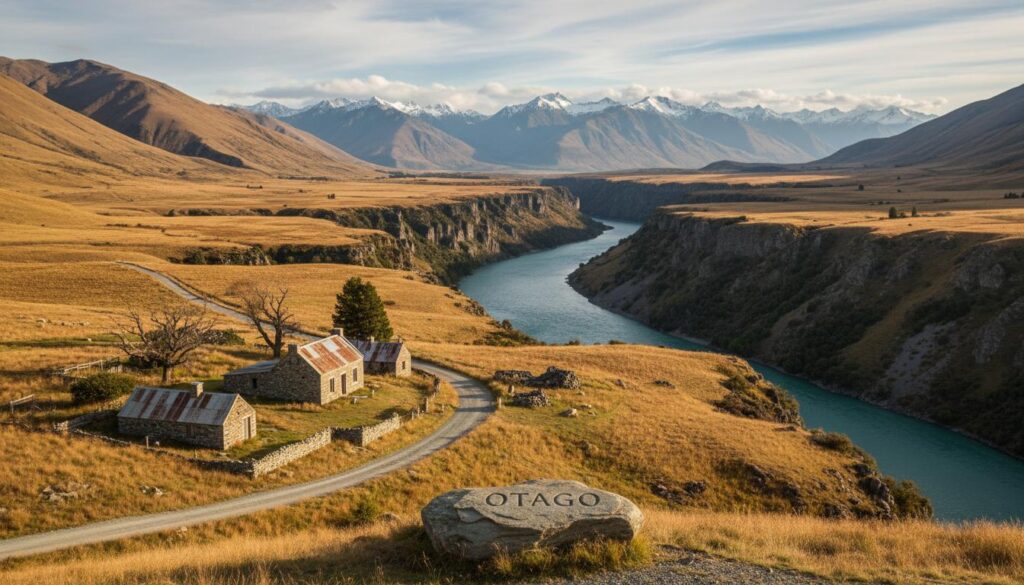
Otago is a place where contrasts make sense. Wind-carved coasts and quiet peninsulas sit a few hours from high alpine valleys. A lively student city shares a region with gold-era towns and world-class ski fields. This guide explains what Otago is, how the region works day to day, the main subregions and examples of what to do, the upsides and trade-offs, how to choose where to go or live, and quick answers to common questions.
What is
Otago is a large region in the lower South Island of New Zealand. It stretches from the Catlins coast up through Dunedin, across Central Otago’s basins, and into the Queenstown and Wānaka lakes district. It covers about 32,000 square kilometres and is home to roughly a quarter of a million people.
The name “Otago” is an anglicised form of Ōtākou, a Kāi Tahu (Ngāi Tahu) place name from the eastern side of the harbour entrance on the Otago Peninsula. Mana whenua, Ngāi Tahu, are central to the region’s identity and stewardship.
Key facts about Otago:
- Main centres: Dunedin, Queenstown, Wānaka, Oamaru, Cromwell, Alexandra, Balclutha
- Signature landscapes: Otago Peninsula, the Catlins, Central Otago basins, Southern Lakes
- Major river: Clutha/Mata-Au, a powerhouse for hydro and the spine of many valleys
- Climate: Coastal temperate around Dunedin; dry, continental-style in Central Otago; alpine in Queenstown-Lakes
- Known for: University of Otago (NZ’s oldest), Pinot Noir, gold-rush heritage, adventure tourism, wildlife
How it works
Day to day, Otago is shaped by a few practical systems that visitors and locals notice.
Regional and local government
The Otago Regional Council (ORC) manages regional matters like freshwater, air quality, and public transport in Dunedin and Queenstown. City and district councils handle roads, libraries, local parks, and consenting. The region includes Dunedin City, Clutha, Central Otago, Queenstown-Lakes, and the part of Waitaki District south of the Waitaki River.
Economy in plain terms
- Tourism and events: Strong in Queenstown, Wānaka, Arrowtown, and Dunedin’s stadium and festival scene.
- Education and health: University of Otago and Otago Polytechnic (Te Pūkenga) anchor jobs and innovation in Dunedin.
- Food and fibre: Sheep, beef, dairy, horticulture, and viticulture thrive in Central and North Otago.
- Energy: Hydro schemes on the Clutha/Mata-Au, notably Clyde and Roxburgh, support the grid.
Transport and distances
- Highways: SH1 hugs the coast via Oamaru–Dunedin–Balclutha; SH6 and SH8 link Central Otago and Queenstown-Lakes.
- Airports: Queenstown (international connections) and Dunedin (domestic) are the main gateways; Wānaka and Oamaru are smaller.
- Driving reality: Mountain passes can be snowy in winter and busy in summer. Coastal fog and wind are common around Dunedin.
Seasons and crowding
- Summer: Hot, dry days inland; cooler on the coast. Peak tourism in Queenstown-Lakes.
- Autumn: Crisp air, golden poplars and larches in Central Otago and Arrowtown.
- Winter: Ski season; sub-zero nights inland, occasional snow on passes and in Queenstown.
- Spring: Changeable—lush coastlines and rising river flows with snowmelt.
Types / examples
Coastal Otago (Dunedin and the Peninsula)
Dunedin blends heritage streetscapes, an energetic student quarter, and easy access to wild shores. The Otago Peninsula is famous for royal albatross, penguins, and sweeping harbour views.
- Highlights: Toitū Otago Settlers Museum, Otago Museum, Larnach Castle, Baldwin Street, St Clair Esplanade
- Nature: Taiaroa Head albatross colony, hoiho/yellow-eyed penguins, sea lions
- Sports and culture: Forsyth Barr Stadium events, street art, craft breweries
Central Otago (Cromwell, Clyde, Alexandra, Maniototo)
Big skies, schist outcrops, and orchards define Central Otago. It’s one of the world’s most southerly wine regions, renowned for Pinot Noir and aromatic whites.
- Highlights: Otago Central Rail Trail, Clyde township, St Bathans Blue Lake, Alexandra blossom and blossom festival vibes
- Wine and food: Bannockburn and Cromwell Basin wineries, stone fruit in summer
- Climate: Dry heat in summer; clear, cold winters
Queenstown-Lakes (Queenstown, Wānaka, Arrowtown, Glenorchy)
Alpine drama meets polished tourism. Adventure sports, lake life, and a busy hospitality scene rule here.
- Highlights: Coronet Peak, The Remarkables, Cardrona, Treble Cone; Arrowtown’s historic streets; Glenorchy trailheads
- Great Walk access: Routeburn and Milford Track connections (via Fiordland access points)
- Trade-off: Peak-season congestion and higher prices
North Otago (Oamaru and the Waitaki coast)
Victorian architecture, quirky steampunk flair, and a coastline dotted with geological curiosities.
- Highlights: Oamaru Victorian Precinct, little blue penguins, Moeraki Boulders at Koekohe Beach
- Food and drink: Waitaki Valley wineries and emerging cool-climate labels
Clutha and the Catlins (Balclutha, Owaka)
A rugged, green corner with waterfalls, sea caves, and wind-bent forest meeting the sea.
- Highlights: Purakaunui Falls, Nugget Point/Tokata Lighthouse, Cathedral Caves (tide-dependent)
- Best for: Slow road trips, wildlife, and quiet beaches
Comparing Otago’s subregions at a glance
| Subregion | Vibe | Key towns | Signature experiences | Climate notes | Typical cost (travel/dining) |
|---|---|---|---|---|---|
| Coastal Otago | Historic, student energy, wildlife | Dunedin, Port Chalmers | Albatross colony, city museums, surf at St Clair | Cooler, maritime; wind and sea fog possible | $$ |
| Central Otago | Laid-back, wine and cycling | Cromwell, Clyde, Alexandra | Rail Trail, cellar doors, gold-rush sites | Hot, dry summers; frosty winters | $$ |
| Queenstown-Lakes | Adrenaline and alpine | Queenstown, Wānaka, Arrowtown | Skiing, hiking, lakeside dining | Alpine; snow and ice in winter, crisp nights year-round | $$$–$$$$ |
| North Otago | Heritage with quirky edges | Oamaru, Moeraki | Victorian Precinct, penguins, boulders | Temperate; drier than Dunedin at times | $$ |
| Clutha & Catlins | Wild and quiet | Balclutha, Owaka | Waterfalls, coastal walks, lighthouses | Changeable; often wet and windy | $–$$ |
Pros and cons
Advantages of Otago
- Landscape variety: Coasts, plains, lakes, and mountains within a day’s drive.
- Outdoor access: Trails, ski fields, cycleways, and wildlife experiences for all levels.
- Culture and learning: University of Otago and a strong arts, music, and events scene.
- Food and wine: Central Otago Pinot Noir, craft beer, seafood, and seasonal produce.
- Sunshine inland: Central Otago’s dry climate makes for reliable summer trips.
Trade-offs to consider
- Costs in hotspots: Queenstown-Lakes can stretch budgets for housing and dining.
- Seasonality: Tourism and horticulture jobs can be highly seasonal.
- Transport pinch points: Mountain passes and single-lane bridges slow travel; winter hazards exist.
- Weather swings: Inland frosts and coastal wind require flexible plans and proper gear.
- Distance: It’s a big region; attractions can be several hours apart.
How to use or choose
Step-by-step: Plan an Otago trip or move
- Pick your base: City culture (Dunedin), wine-and-cycle (Central), or alpine action (Queenstown/Wānaka).
- Map the must-dos: Aim for one anchor activity per day—e.g., Rail Trail segment, ski day, wildlife tour.
- Time the season: Book early for school holidays and ski season; shoulder months are calmer and cheaper.
- Sort transport: A car gives flexibility; buses run key routes, but schedules are limited in rural areas.
- Pack for change: Layer up for frost inland and wind on the coast; sun protection is essential in summer.
- Respect the environment: Stick to formed tracks, give wildlife space, and check fire and freedom-camping rules.
- Plan buffers: Allow extra time for alpine roads, photo stops, and weather days.
Choosing your subregion based on interests
- Food and wine weekend: Base in Cromwell or Clyde for vineyards and easy cycling.
- Family ski holiday: Stay in Wānaka or Queenstown for access to multiple ski fields.
- Wildlife and heritage: Dunedin and Oamaru deliver museums, street art, and close-up encounters with seabirds and penguins.
- Quiet coastal road trip: Drift through the Catlins, staying at small lodges and DOC camps.
- Gold-rush history loop: Arrowtown, Naseby, St Bathans, and Clyde tell the story in stone.
FAQ
Where exactly is Otago?
Otago is in the lower South Island of New Zealand. It runs from the Catlins coast in the southeast through Dunedin and Central Otago to the lakes districts around Queenstown and Wānaka.
What’s the best time to visit Otago?
It depends on what you want. Summer (December–February) is ideal for cycling, hiking, and vineyard visits. Winter (June–August) suits skiers. Autumn brings striking colours in Central Otago and Arrowtown, with cooler, settled days.
How do I get to Otago?
Fly into Queenstown or Dunedin, or drive SH1 down the east coast. Christchurch to Dunedin is roughly 4.5–5.5 hours by car. Queenstown is about 3.5–4.5 hours from Dunedin, depending on route and conditions.
Is Otago good for families?
Yes. Dunedin’s museums, beaches, and stadium events are family-friendly. Queenstown and Wānaka offer beginner ski areas and easy lakeside trails. The Rail Trail has gentle gradients for kids.
What wine is Otago known for?
Central Otago is famous for Pinot Noir, with notable Pinot Gris, Riesling, and Chardonnay. Subregions like Bannockburn, Gibbston, and the Cromwell Basin produce distinct styles.
Will I see wildlife in Otago?
Very likely on the Otago Peninsula and in the Catlins. Expect albatross, penguins, and sea lions. Keep distance, follow DOC signs, and never block animals’ path to the sea.
Can I do Otago without a car?
Partly. Dunedin and Queenstown have local buses, and tour operators cover major attractions. To reach trailheads, vineyards, and remote coasts on your own schedule, a car is best.
What are the winters like?
Coastal Otago is cool and often windy, with frost possible. Central Otago and Queenstown-Lakes have cold, clear winters with regular frosts and occasional snow. Roads over passes can be icy—carry chains when required.
Is Otago a good place to live?
For many, yes. Dunedin offers education, healthcare, and culture at reasonable costs. Central Otago promises sun and space. Queenstown-Lakes has jobs but higher living costs. Your choice comes down to lifestyle, budget, and commute tolerance.
Final thoughts
From seabirds wheeling over Taiaroa Head to the schist hills above Bannockburn and the bustle of Queenstown’s waterfront, Otago rewards curious travellers and practical locals alike. Decide what matters most—wine, wildlife, snow, heritage, or city buzz—and let that anchor your plan. The rest of Otago tends to fall into place, one valley or headland at a time.